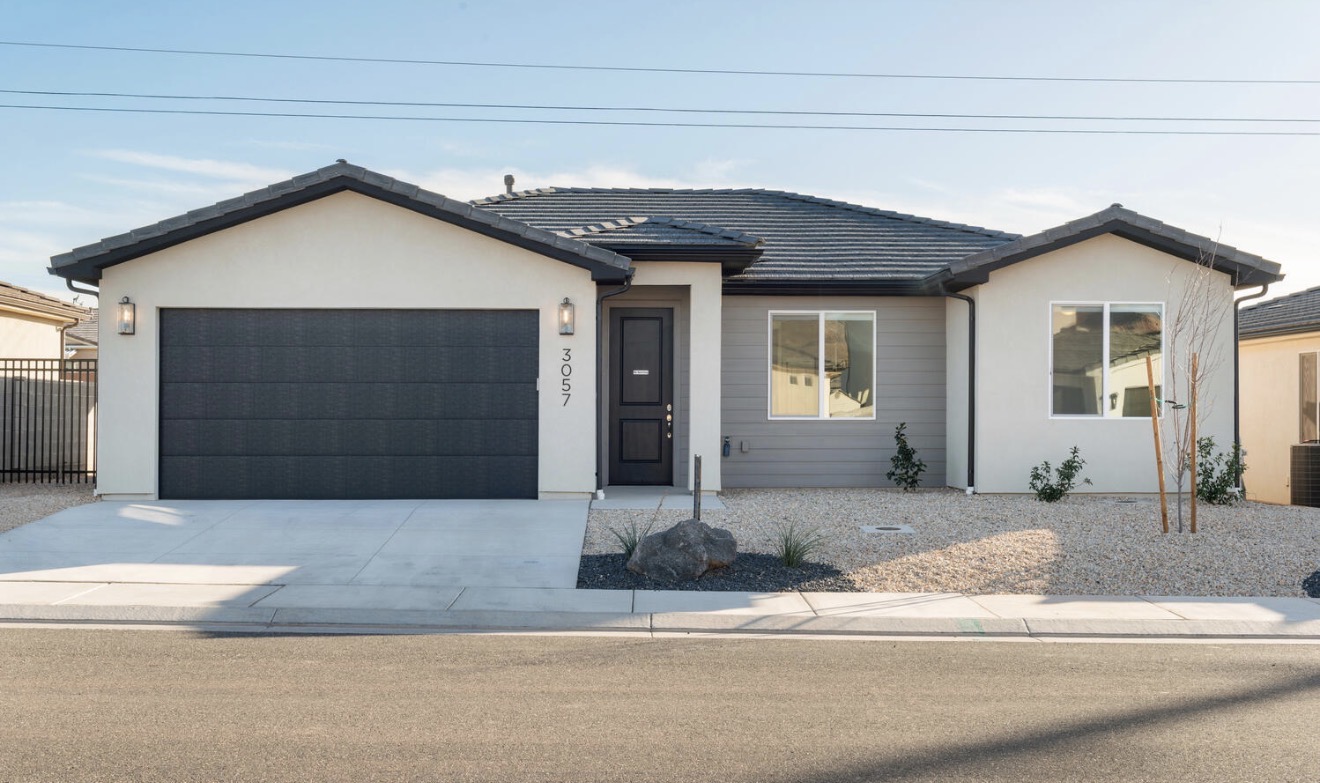


Las Vegas and Southern Utah share sun and desert landscapes, but the lifestyle differences are significant. If you’re trading the Strip’s bright lights for red rock sunsets, you’re not just changing scenery — you’re changing pace, priorities, and community. Southern Utah (including St. George, Hurricane, Washington, and nearby towns) offers outdoor recreation, quieter neighborhoods, and often lower crime and family-friendly communities. However, the move requires practical planning: housing markets that have their own quirks, seasonal weather shifts, and different service availability. This guide walks you through the key considerations, what to expect day-to-day, cost and housing comparisons, school and job insights, and a practical checklist to make your transition smooth.
Why people move…
- Lifestyle: slower pace, strong outdoor culture (hiking, mountain biking, climbing, national parks nearby).
- Family & safety: many choose Southern Utah for schools, lower crime rates, and family-oriented communities.
- Health & environment: better air quality and access to nature, though summers can still be hot and winters can bring cold snaps at higher elevations.
- Cost of living: can be lower overall than Vegas in certain categories (property taxes, community fees), though rapid growth has pushed home prices up in popular areas.
- Remote work: many newcomers are remote workers seeking quality-of-life improvements without sacrificing a career.
Housing and neighborhoods
- Market snapshot: Las Vegas: rental options and apartment living; Southern Utah: mix of single-family homes, newer subdivisions, and historic neighborhoods.
- Popular towns: St. George (largest metro hub with services), Washington (quiet, family-friendly), Hurricane (affordable, growing), Santa Clara, Ivins (art and boutique feel)
Cost of living & utilities
- Housing costs: state trends — recent growth has tightened inventory; compare median home prices and rent to Vegas as applicable.
- Utilities: expect higher cooling costs in summer, possible heating in winter; check electricity providers and incentives for solar.
- Taxes: Utah has a flat income tax and property taxes can differ; Nevada has no state income tax — factor this into long-term financial planning.
- Groceries and services: smaller towns may have fewer budget grocery options; occasional trips to larger nearby cities (e.g., St. George) may be needed.
Jobs, remote work, and commuting
- Job market: St. George is the main employment hub for healthcare, tourism, education, and local services; many residents commute within the metro area.
- Remote work: excellent reason to relocate — many people move for lifestyle while keeping jobs elsewhere.
- Commute notes: traffic is generally lighter than Vegas, but expect seasonal tourist surges near national parks and event weekends.
Schools, healthcare, and community services
- Schools: evaluate district ratings (Washington County School District is largest); private and charter options exist but fewer than in metro centers.
- Healthcare: primary hospitals and clinics in St. George; specialty care may require trips to larger cities like Salt Lake City for certain services.
- Community life: active volunteer networks, church and community centers, local festivals, and a growing arts scene in some towns.
Recreation, climate, and daily life
- Outdoors: immediate access to Zion, Bryce, Snow Canyon, and Red Cliffs — hiking, biking, climbing, off-roading.
- Climate: hot summers (but typically lower humidity than Vegas), cool winters with occasional snow for higher elevations; significant temperature swings between day and night.
- Lifestyle differences: less nightlife, more emphasis on outdoor activities, community events, and family-oriented amenities.
- Food and shopping: fewer late-night options; small local restaurants and a growing scene of farm-to-table and boutique cafes.
Practical moving tips
- Visit first: stay for a week to test seasonal weather, commute times, and daily needs.
- Time your move: spring and fall have the best weather; avoid heat of July/August for moving heavy furniture.
- Housing strategy: get pre-approved if buying; have temporary rental lined up if possible.
- Utilities & services: transfer/establish electricity, water, internet (fiber availability varies), and waste services ahead of arrival.
- Vehicles: check insurance and registration differences; consider a vehicle suited to rural roads if you’ll be exploring backcountry.
- Health & schools: enroll kids early and schedule doctor/dentist transfers.
Moving day checklist
- Confirm movers or truck rental, reserve elevator/parking permits if needed.
- Transfer utilities and internet.
- Update address with USPS, banks, employer, and subscriptions.
- Gather medical, school, and pet records.
- Pack seasonal essentials (sun protection, layers, hiking shoes).
- Take photos of major systems (meters, appliances) at both homes for reference.
Relocating from Las Vegas to Southern Utah is a lifestyle shift that rewards those craving outdoor access, community focus, and slower rhythms. With planning—especially around housing, utilities, and healthcare—you can make a smooth transition. Contact me today if you are ready to make the move. 702-622-5232